

Cell– tag –
-

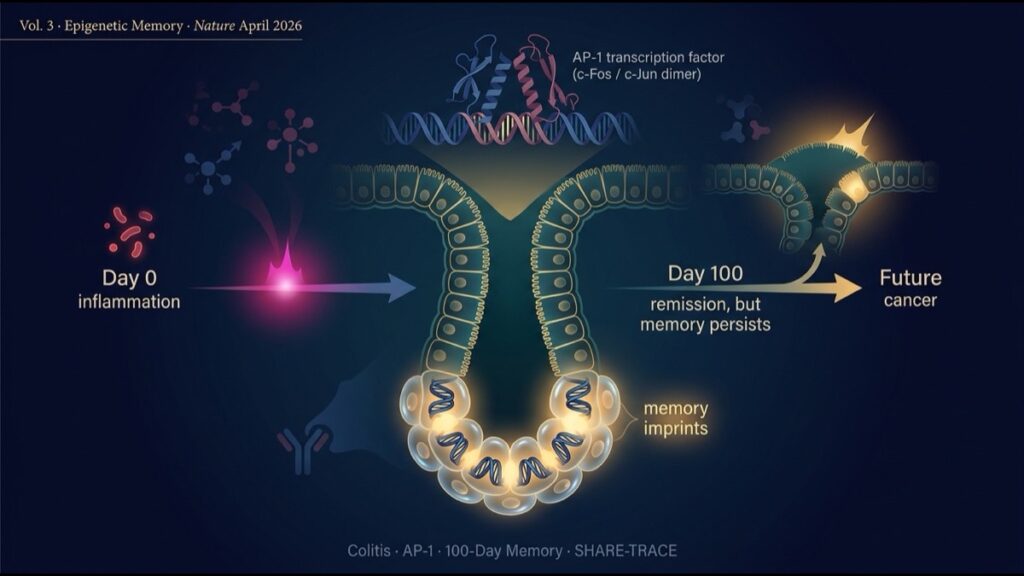
What the Epigenetic Memory of Colitis Reveals: AP-1 Imprints Persisting 100+ Days That Drive Cancer | Cancer Origin Vol.3 (Final)
Nagaraja et al. Nature 2026/4/16: chronic colitis leaves AP-1-dependent epigenetic memory in colonic stem cell chromatin that persists for 100+ days. SHARE-TRACE proves clonal inheritance through stem cell divisions. Memory + APC mutation cooperatively accelerates tumor formation; AP-1 inhibition eliminates acceleration. New IBD-cancer prevention paradigm. Final volume. -
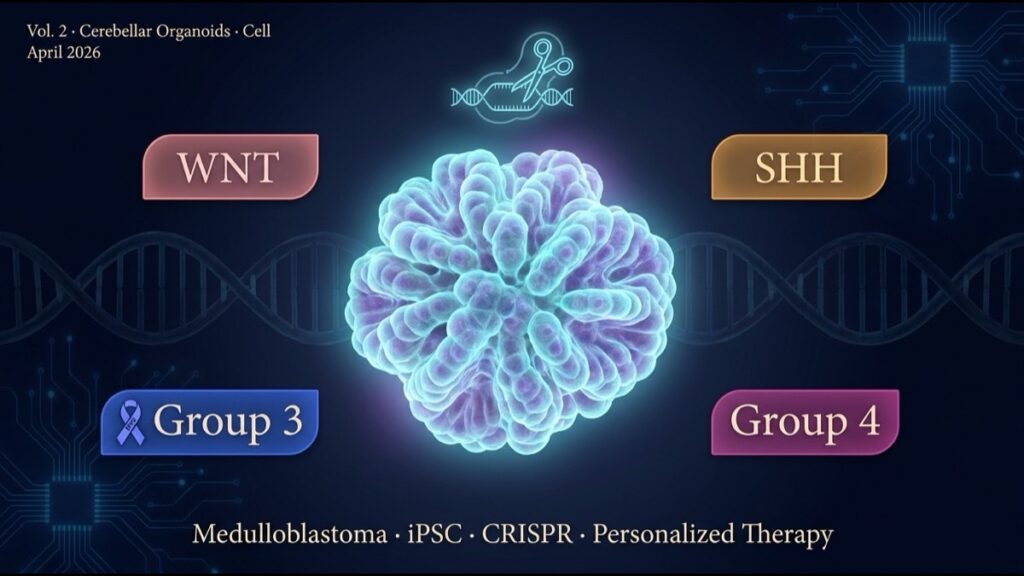
What Cerebellar Organoids Reveal About Medulloblastoma’s Origin: 3 Axes Toward Precision Medicine | Cancer Origin Vol.2
Cell April 2026 paper used human iPSC-derived cerebellar organoids + CRISPR to reproduce all four medulloblastoma subtypes (WNT, SHH, Group 3, Group 4) in real time. Cell of origin for each subtype directly confirmed. Vismodegib and BET inhibitor responses validated in subtype-specific manner. Personalized-therapy organoid proof of concept. Vol. 2. -
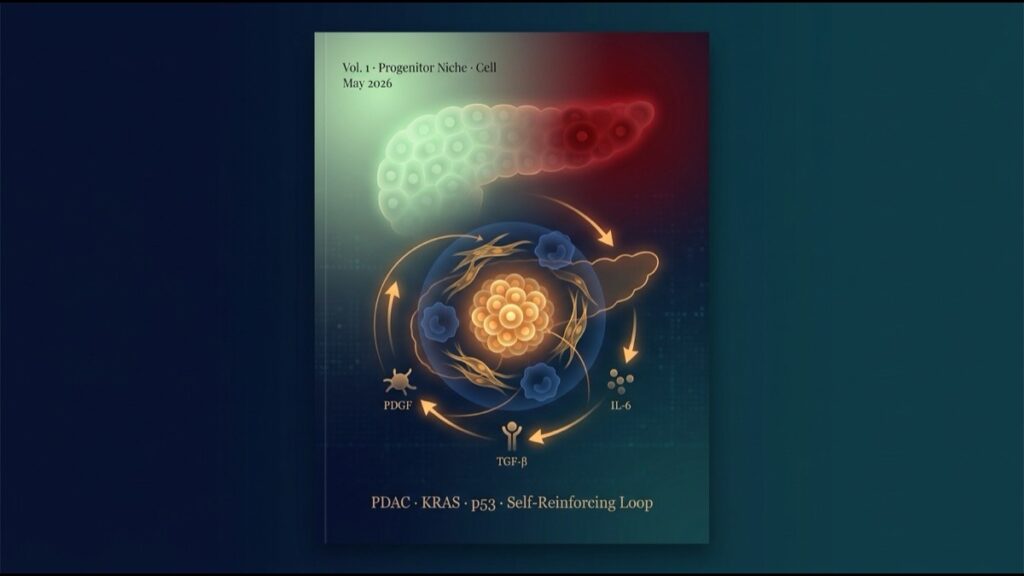
The Window Where Cancer Is Born — Progenitor Niche and the Benign-to-Malignant Transition | Frontiers of Cancer Origin Research, Vol. 1
Reyes et al. Cell May 2026: PDAC's benign-to-malignant transition happens in a rare progenitor-like cell population that assembles a self-reinforcing niche. Tumor-driving and tumor-suppressing programs (p53, CDKN2A, SMAD4) co-activate in these cells. KRAS inhibition or p53 activation collapses the niche and delays malignancy. Vol. 1. -
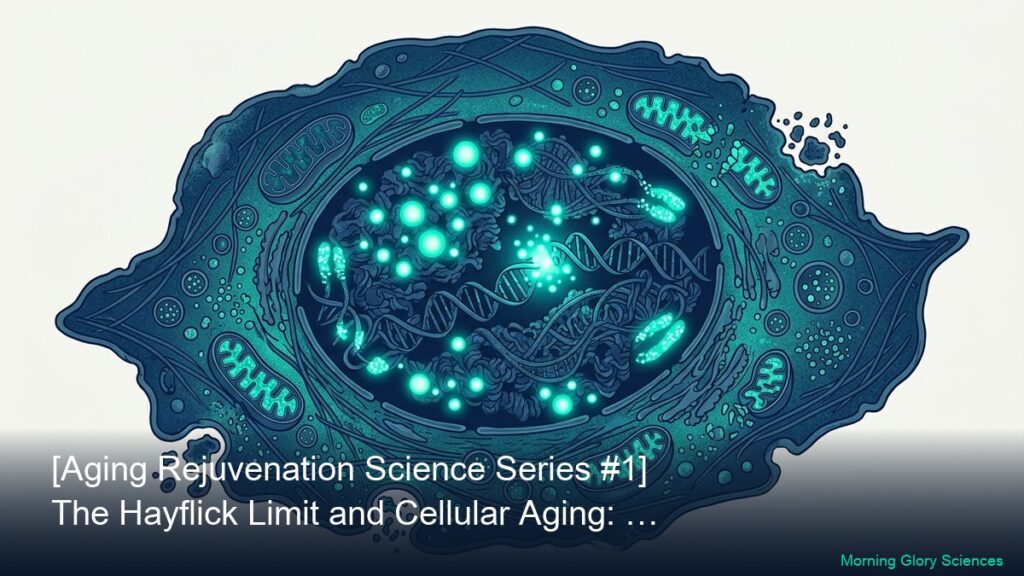
[Aging & Rejuvenation Science Series #1] The Hayflick Limit and Cellular Aging: Revisiting the Roots of Rejuvenation Research
Can human cells divide forever? In 1961, Leonard Hayflick and Paul Moorhead provided a clear answer to this question. Their seminal paper demonstrated that normal human diploid cells have a limited number of divisions, introducing the co...
1