Morning Glory Sciences– Author –

-

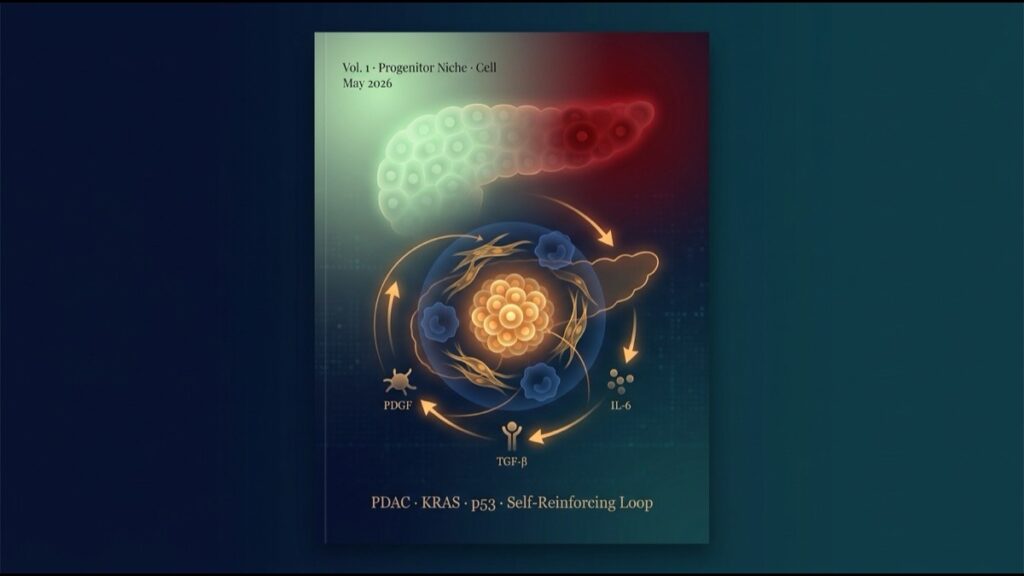
The Window Where Cancer Is Born — Progenitor Niche and the Benign-to-Malignant Transition | Frontiers of Cancer Origin Research, Vol. 1
Reyes et al. Cell May 2026: PDAC's benign-to-malignant transition happens in a rare progenitor-like cell population that assembles a self-reinforcing niche. Tumor-driving and tumor-suppressing programs (p53, CDKN2A, SMAD4) co-activate in these cells. KRAS inhibition or p53 activation collapses the niche and delays malignancy. Vol. 1. -
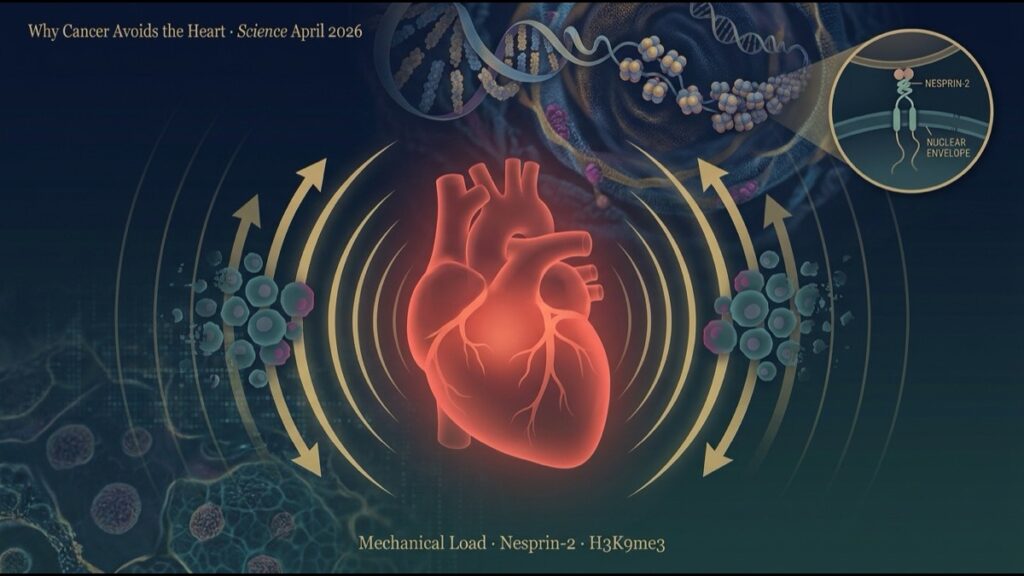
Why Does the Heart Rarely Get Cancer? — Mechanical Load Suppresses Tumour Growth via Nesprin-2 | Science April 2026
Science April 23, 2026 (Ciucci et al.) finally answered why the heart almost never develops cancer. Three experimental systems — genetic mouse model + heterotopic heart transplantation unloading + engineered heart tissues — established that mechanical load directly suppresses cancer cell proliferation. Mechanism: Nesprin-2 → histone methylation (H3K9me3) → chromatin compaction → reduced proliferation. Opens a new therapeutic axis: mechanical-stimulation therapy. -
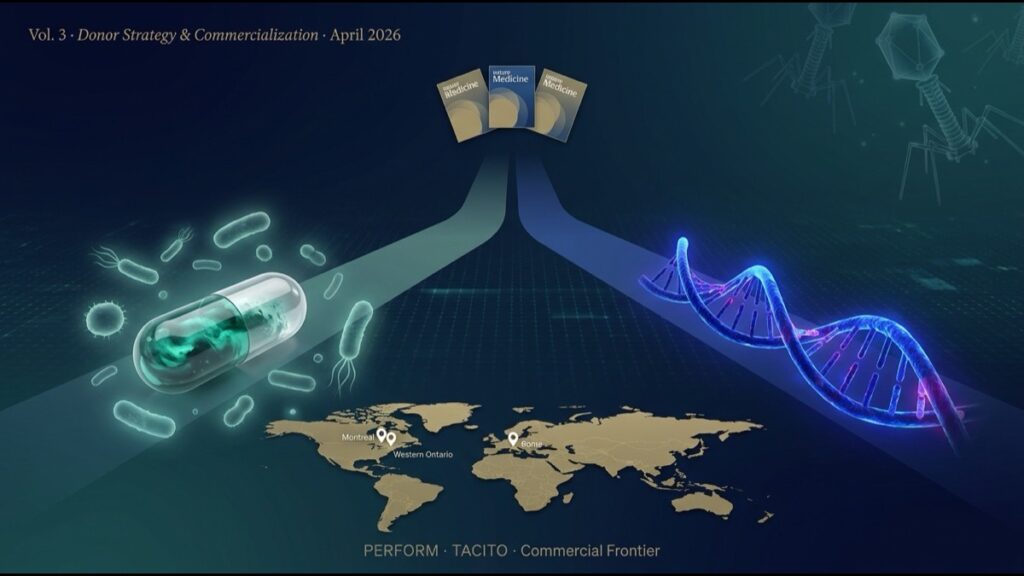
PERFORM vs TACITO, the Segatella copri Problem, and the Commercial Frontier — Three Crossroads Facing FMT’s Clinical Translation | Making Cancer Immunotherapy Work with FMT, Vol. 3 (Final)
Series finale. Same metastatic RCC, contrasting designs: PERFORM (healthy donor, ipi/nivo) vs TACITO (ICI complete-responder donor, pembro+axitinib). The cross-trial Segatella copri context-dependent toxicity discovery (drives toxicity ONLY under dual ICI), the three-layer commercial map (Seres/Vedanta/Exeliom; Locus/Eligo; rational consortia), and structural implications for the global ecosystem. The clinical-translation year of FMT/LBP, synthesized. -
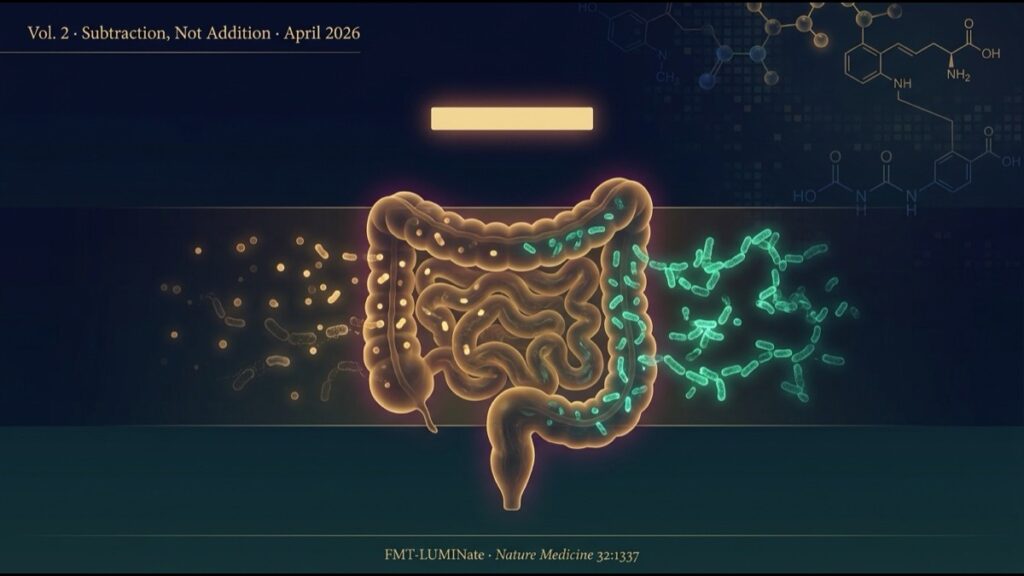
FMT Is Subtraction, Not Addition — How FMT-LUMINate Dissected the Real Mechanism Behind Microbiome-Empowered Cancer Immunotherapy | Making Cancer Immunotherapy Work with FMT, Vol. 2
Building on Volume 1, we dissect the convergent finding across the three April 2026 Nature Medicine trials: FMT works because patients lose their own deleterious bacteria, not because they acquire donor bacteria. FMT-LUMINate's mouse reverse-experiment proved causality. Mechanism: tryptophan/kynurenine pathway disturbance, IDO/AhR axis, regulatory T-cell expansion. Vol. 2 of the series. -
The Day Three Major FMT × Immunotherapy Trials Landed Together in Nature Medicine — Reshaping Cancer Immunotherapy with the Gut Microbiome | Making Cancer Immunotherapy Work with FMT, Vol. 1
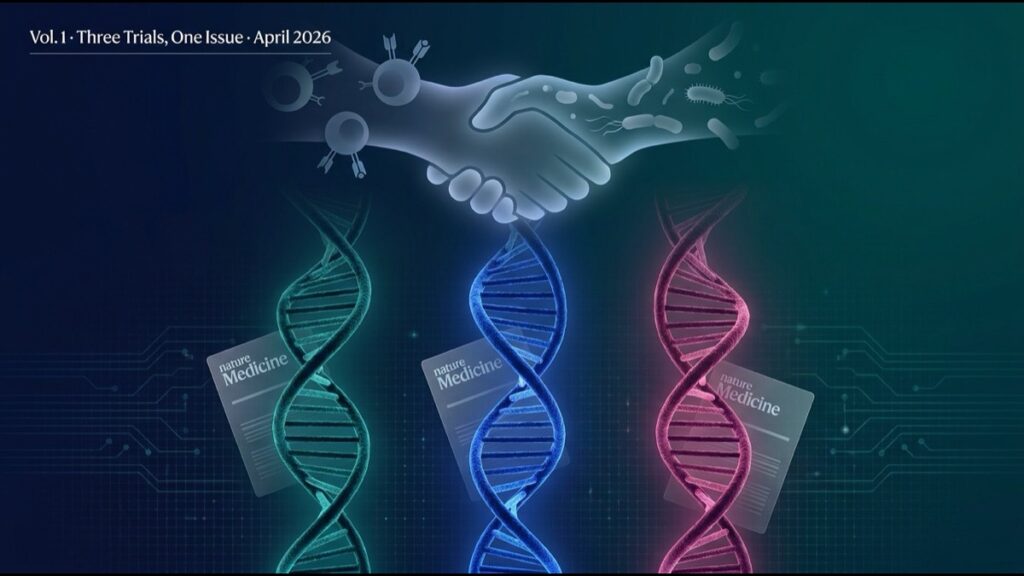
In April 2026, Nature Medicine Vol. 32 No. 4 published three FMT-plus-immunotherapy trials in a single issue: 80% ORR in NSCLC, and a doubling of progression-free survival in metastatic RCC (24.0 vs 9.0 months, HR 0.50). But the deeper significance lies not in the numbers — it is the shared mechanistic finding that responders selectively lost their own deleterious bacteria, rather than acquiring beneficial bacteria from the donor. Volume 1 of our series surveys all three trials and what their simultaneous publication means. -
What Multimodal AI Beating Oncotype DX Reveals: 3 Structural Shifts in HR+/HER2- Recurrence Decisions (C-index 0.733 vs 0.631) | Reading Breast Cancer Diagnosis with AI, Vol.3
At SABCS 2025, multimodal AI (ICM+ model) outperforms Oncotype DX for 15-year recurrence prediction (C-index 0.733 vs 0.631). Final volume of our series. -
Reading the AITIC Trial: Where Partially Autonomous AI Triage Heads After a 63% Workload Cut and 14.8% Recall Rise | Reading Breast Cancer Diagnosis with AI, Vol.2
Spain's AITIC trial (Nature Medicine 2026, n=31,301): partially autonomous AI workflow cuts radiologist workload 63.6%, lifts detection 15.2%. Vol. 2. -
What MASAI Reveals: 12% Fewer Interval Cancers and 4 Tensions Reshaping AI Mammography | Reading Breast Cancer Diagnosis with AI, Vol.1
Sweden's MASAI trial (Lancet 2026, n>105,000) shows AI mammography cuts interval cancers by 12% and lifts sensitivity to 80.5%. Vol. 1 of our series. -
7 Structural Lenses Threading 13 Articles: An Integrated Map from Basics to Next-Gen | Bispecific Antibody Drug Series — Synthesis
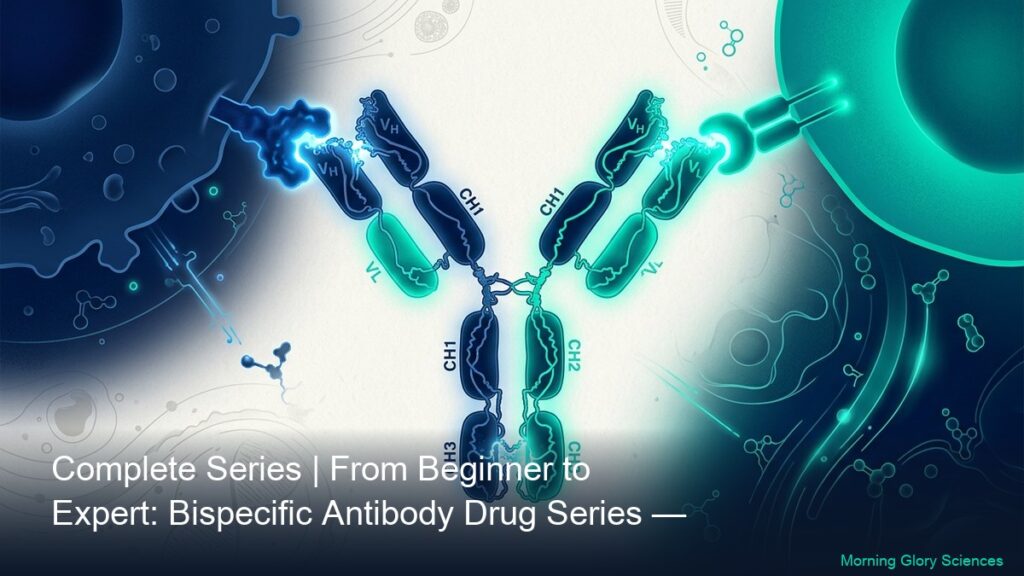
Across 12 deep-dives we have rebuilt how to think about bispecific antibodies—from molecular geometry to clinical strategy. This index maps every turning point and signals what the next decade will be about. This series, “From Beginner t... -
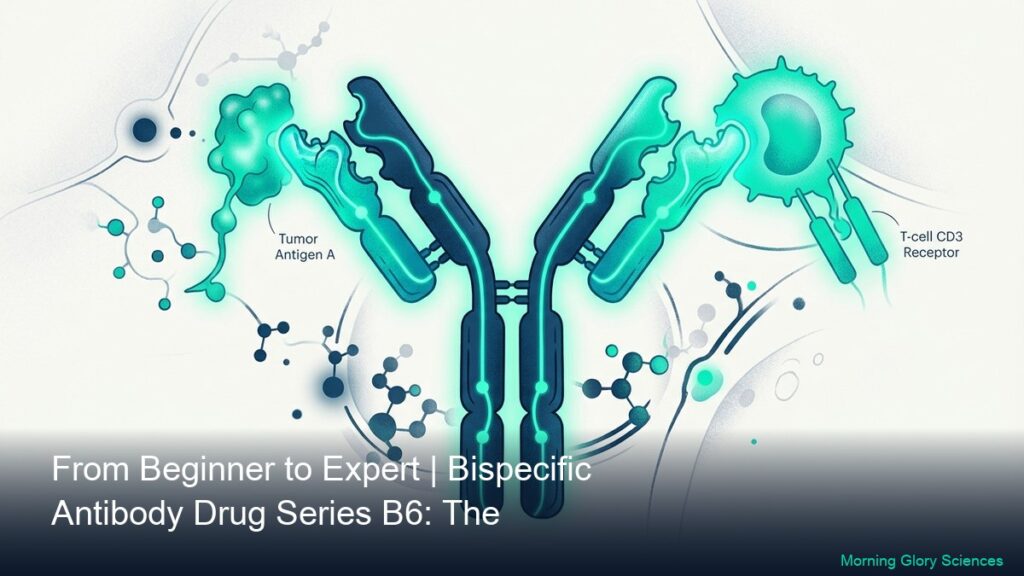
The Technological Lineage of Bispecifics: 5 Generations of Refinement and the Next Axes | Bispecific Antibody Drug Series B6
Bispecific antibody drugs are now discussed as one of the important modalities in cancer therapy. Bispecific antibody drugs are now discussed as one of the important modalities in cancer therapy. However, this field did not begin in anyt... -
Where Next-Gen Bispecifics Are Heading: 5 Growth Vectors from Structural Evolution and Indication Expansion | Bispecific Antibody Drug Series A6
Bispecific antibody drugs are already beginning to establish a distinct clinical presence, especially in hematologic malignancies, and are starting to build their own place within cancer therapy. Bispecific antibody drugs are already beg... -
Where Will Bispecifics Take the Next Indication: 4 Strategic Forks in Clinical Development | Bispecific Antibody Drug Series B5
Bispecific antibody drugs are a modality in which theoretical appeal alone is not enough; where and how clinical development begins is critically important. Bispecific antibody drugs are a modality in which theoretical appeal alone is no... -
Where Bispecifics Fit in Cancer Therapy: 4 Modality Frames and Substitution Scenarios | Bispecific Antibody Drug Series A5
Bispecific antibody drugs have gained a strong presence within cancer therapy over the past several years. Bispecific antibody drugs have gained a strong presence within cancer therapy over the past several years. However, to truly under... -
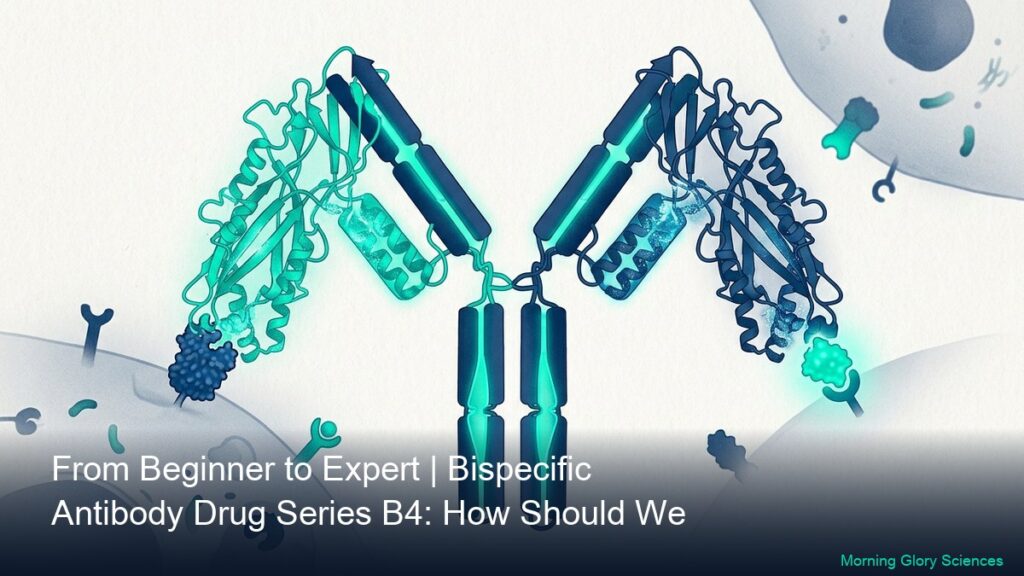
Reading the Risk Map of Bispecifics: 5 Lenses on Toxicity, PK/PD, and Development Bottlenecks | Bispecific Antibody Drug Series B4
Bispecific antibody drugs are a modality that often looks highly attractive in theory. Bispecific antibody drugs are a modality that often looks highly attractive in theory. Because they can handle two targets within a single molecule, t... -
Why Adverse Events Occur: Reading 5 Trade-offs at the Efficacy–Safety Intersection | Bispecific Antibody Drug Series A4
Bispecific antibody drugs are a modality with enormous promise in cancer therapy. Bispecific antibody drugs are a modality with enormous promise in cancer therapy. As we have seen from A1 through B3, the strength of this field lies in th... -
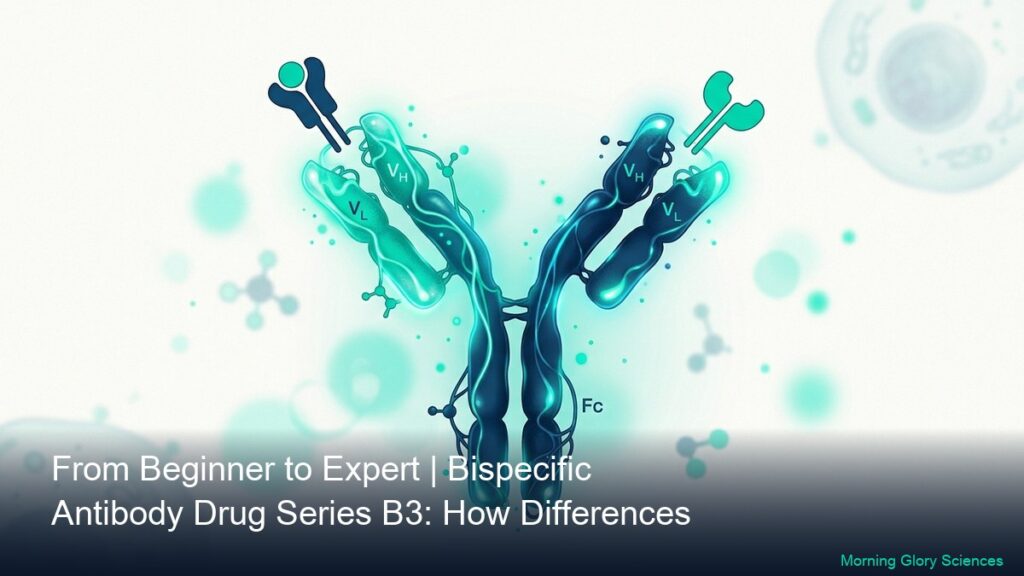
How Modality Shapes Pharmacology: 4 Axes Differentiating BiTE, DART, and IgG-like Designs | Bispecific Antibody Drug Series B3
When we look at bispecific antibody drugs, it becomes clear that even though they are grouped under the same label, they can behave very differently as actual medicines. When we look at bispecific antibody drugs, it becomes clear that ev... -
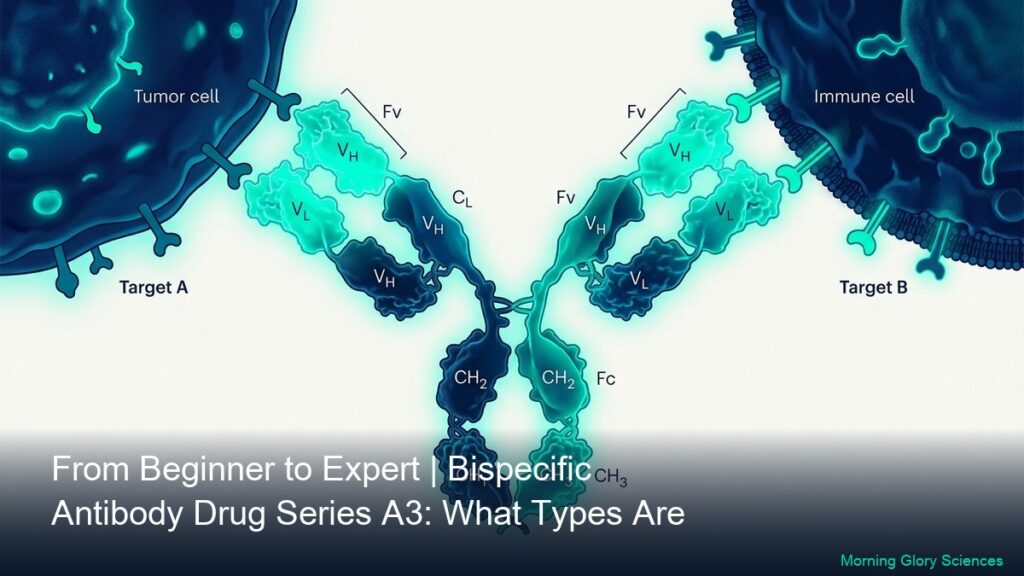
Mapping the Bispecific Landscape: A 3-Axis Reading by Structure, Target, and Indication | Bispecific Antibody Drug Series A3
Bispecific antibody drugs are often discussed as if they were a single technological field. Bispecific antibody drugs are often discussed as if they were a single technological field. In reality, however, their internal diversity is subs... -
5 Judgement Axes Driving Target Selection and Mechanism Optimization in Bispecifics | Bispecific Antibody Drug Series B2
When people think about the design of bispecific antibody drugs, they often focus first on which targets should be combined. When people think about the design of bispecific antibody drugs, they often focus first on which targets should ... -
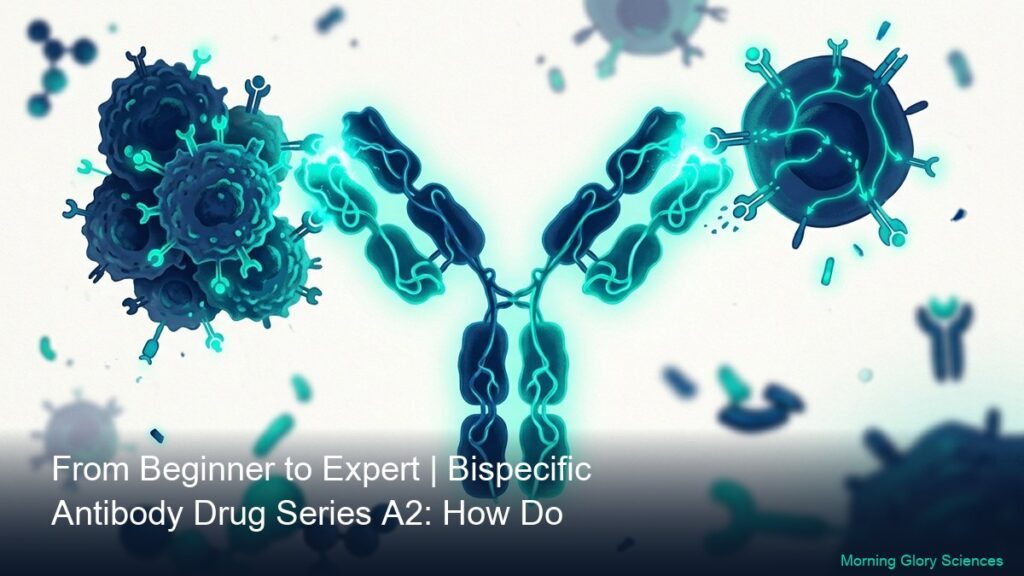
How Bispecifics Work: Reading 4 Structural Axes Behind the Mechanism | Bispecific Antibody Drug Series A2
One of the reasons bispecific antibody drugs attract so much attention is that they can bind two targets within a single molecule. One of the reasons bispecific antibody drugs attract so much attention is that they can bind two targets w... -
How Structural Design Shapes Bispecific Efficacy: 4 Design Axes and Their Therapeutic Footprint | Bispecific Antibody Drug Series B1
One of the first major hurdles in understanding bispecific antibody drugs is recognizing that the single term “bispecific antibody drugs” actually inc One of the first major hurdles in understanding bispecific antibody drugs is recognizi...