Morning Glory Sciences– Author –

-

Oncology Drug Approval News Flash: FDA Approves Zenocutuzumab-zbco (Bizengri, Merus N.V.) for Advanced, Unresectable or Metastatic Cholangiocarcinoma
On May 13, 2025, the FDA approved zenocutuzumab-zbco (Bizengri, Merus N.V.) for advanced or metastatic cholangiocarcinoma harboring NRG1 fusions, introducing a first-in-class NRG1-blocking bispecific antibody to clinical practice. -
Oncology Drug Approval News Flash: FDA Approves Trastuzumab Deruxtecan (Enhertu, Daiichi Sankyo/AstraZeneca) for HER2-Positive Early Breast Cancer in Two Indications (Neoadjuvant and Adjuvant)
On May 15, 2026, the FDA approved Enhertu (T-DXd, Daiichi Sankyo/AstraZeneca) for two new indications in HER2+ early breast cancer (neoadjuvant + adjuvant for residual disease). pCR ~65-70%, iDFS HR 0.55. A reshaping of the early breast cancer paradigm. -
Oncology Drug Approval News Flash: FDA Approves Oral Decitabine + Cedazuridine (Inqovi, Taiho Oncology) Plus Venetoclax for Newly Diagnosed AML Unfit for Intensive Chemotherapy
On May 13, 2026, the FDA approved oral Inqovi (decitabine + cedazuridine, Taiho Oncology) plus venetoclax for newly diagnosed AML in adults ≥75y or unfit for IC. The first fully-oral, non-intensive AML regimen. -
Oncology Drug Approval News Flash: FDA Approves Sonrotoclax (Beqalzi, BeOne Medicines) for Relapsed/Refractory Mantle Cell Lymphoma
On May 13, 2026, the FDA granted accelerated approval to Beqalzi (sonrotoclax, BeOne) for R/R MCL post-BTKi. ORR ~70%, CR ~50%. The first BCL-2i monotherapy approval in MCL. -
Oncology Drug Approval News Flash: FDA Approves Vepdegestrant (VEPPANU, Arvinas/Pfizer/Rigel) for ESR1-Mutated, ER+/HER2- Advanced Breast Cancer
On May 1, 2026, the FDA approved VEPPANU (vepdegestrant) for ESR1-mutated ER+/HER2- advanced breast cancer. The first-ever PROTAC approval. VERITAC-2: PFS HR 0.57. -
Oncology Drug Approval News Flash: FDA Approves Brexucabtagene Autoleucel (Tecartus, Kite/Gilead) for Relapsed/Refractory Mantle Cell Lymphoma
On April 2, 2026, the FDA granted traditional approval to Tecartus (brexu-cel, Kite/Gilead) for relapsed/refractory mantle cell lymphoma. ZUMA-2 Cohort 3 (BTKi-naïve): ORR 91%, CR 79%. -
How Virtual Trials Will Reshape Clinical Development: Digital Twins and In Silico Cohorts at 5 Turning Points | Vol.4
Virtual trials and in silico cohorts at Pfizer, Sanofi and beyond — will digital twins truly transform clinical trials? -
How Mechanistic Modeling × AI Closes the Preclinical-to-Clinical Gap: 3 Axes of Translational Acceleration | Vol.3
Mechanistic modeling × AI for preclinical-to-clinical translation: PBPK, QSP, and digital twin frontiers. -
How Compound Management Reshaped Drug Discovery: 3 Axes of AI × Robotics-Driven Asset Reuse | Vol.2
How AI and robotics are transforming compound management — the quiet revolution that actually moves pharma P/L. -
Reading AI Drug Discovery’s Two Layers: 5-Company Map of Headlines vs Operational Transformation | Vol.1
AI drug discovery company map (Insilico, Recursion, Isomorphic Labs, Schrodinger) and the real profit structure transformation behind the headlines. -
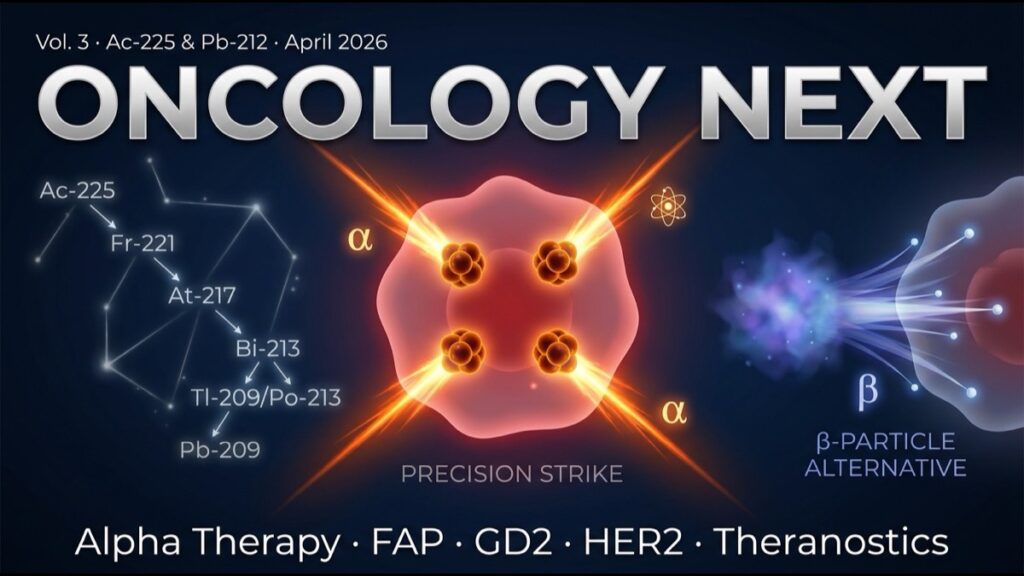
Where Will Nuclear Medicine Be in the Next Decade? Ac-225, Pb-212, and the Next-Generation RI Pipeline Map | Vol.3 (Final)
Nuclear medicine next decade: shift from β (177Lu) to α (225Ac, 212Pb). α has 100× cytotoxicity, short range protects normal tissue. Pipelines: 225Ac-PSMA, 225Ac-FAP, 225Ac-DOTATATE (RYZ101), 212Pb-DOTAMTATE. New targets (FAP, GD2, HER2, αvβ6). Manufacturing wall (Oak Ridge, Karlsruhe, PSI, JAEA). Final volume. -
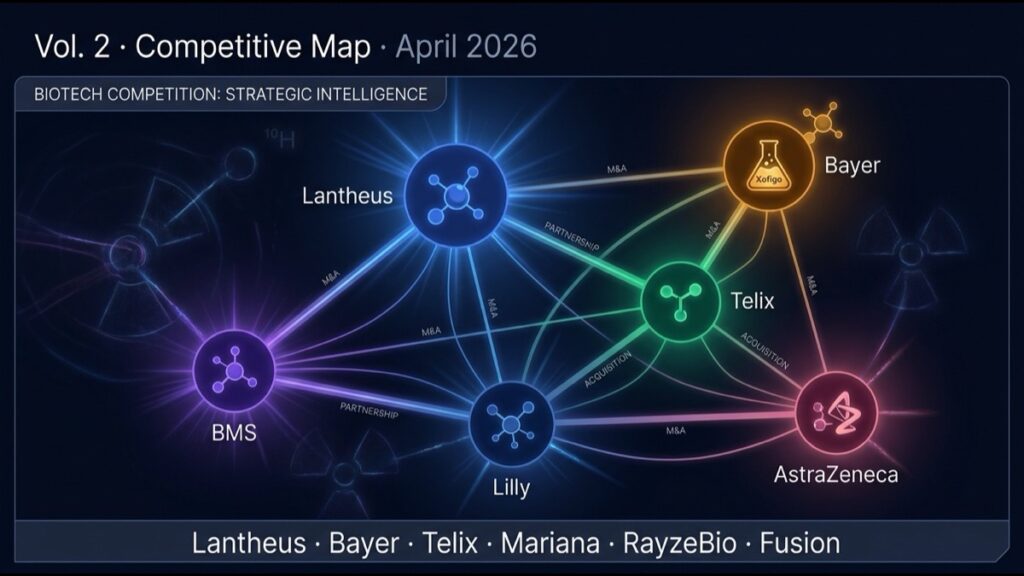
Mapping Nuclear Medicine Competitors: Lantheus, Bayer, Telix and the 3 Turning Points Ahead | Vol.2
Comparison of nuclear medicine competitors (Lantheus, Bayer, Telix, Lilly × Mariana, BMS × RayzeBio, AZ × Fusion) across 5 axes: diagnostic vs treatment, target molecules, isotopes, manufacturing infrastructure, partnerships. Emerging specialists (Aktis, Convergent, Perspective, Curasight, Clarity) and industry reshuffling scenarios. Vol. 2. -
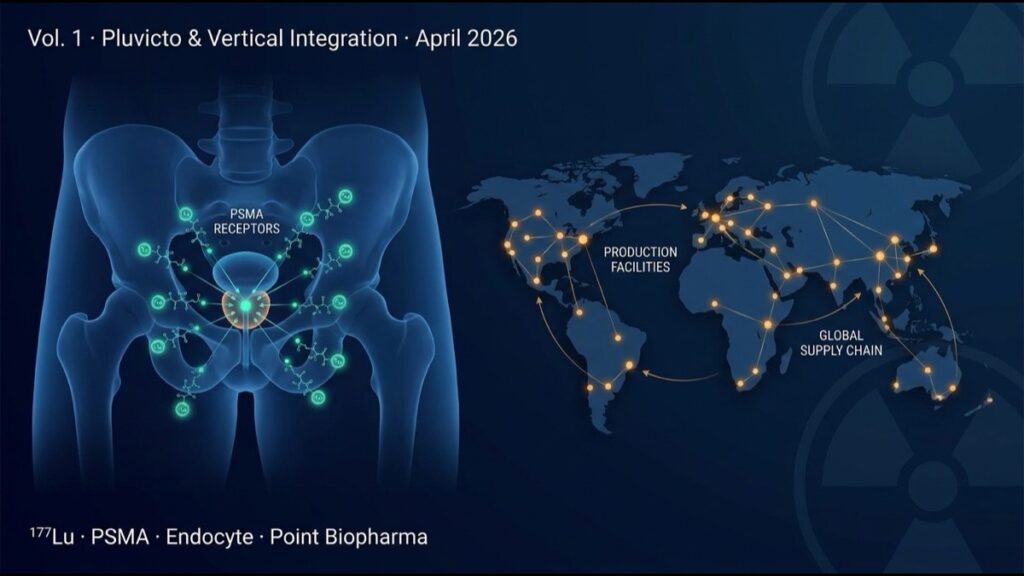
Where Is Nuclear Medicine Heading? Pluvicto’s Success and the Vertical Integration Imperative | Nuclear Medicine Vol.1
Novartis Pluvicto (mCRPC, $1B+ annual revenue) and Lutathera (NET) clinical and commercial success moved nuclear medicine from niche to mainstream. Short isotope half-life and specialized facility requirements make Vertical Integration (production-synthesis-distribution-delivery chain) decisive competitive advantage. Endocyte acquisition $2.1B, Point Biopharma $1.4B, 14-site global manufacturing network. Vol. 1. -
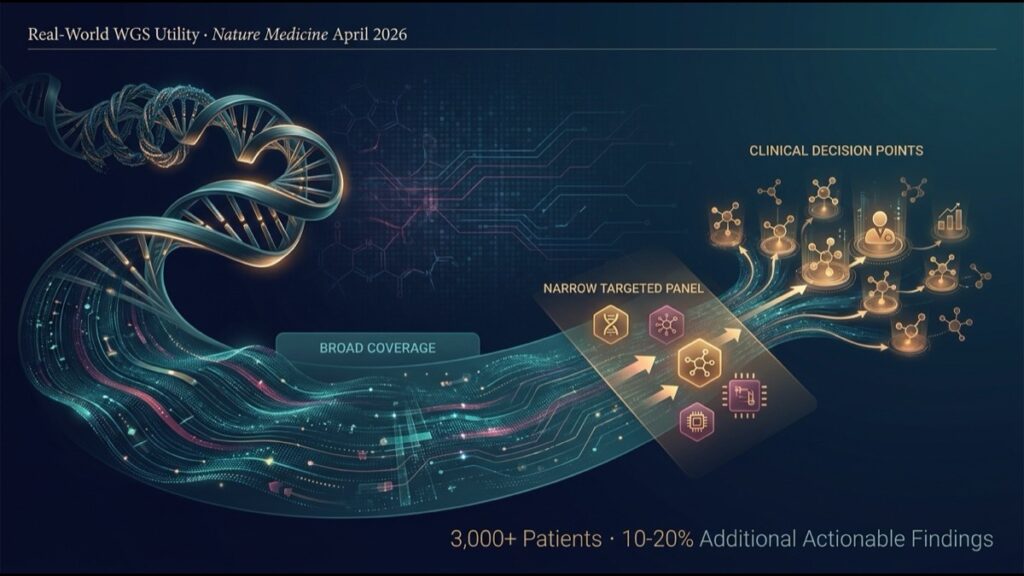
Does Whole-Genome Sequencing Truly Help in Solid-Tumor Clinical Care? — Real-World Clinical Utility Validation | Nature Medicine April 2026
The April 2026 issue of Nature Medicine published a landmark paper validating the real-world clinical utility of tumor whole-genome sequencing (WGS) in solid cancers. WGS identifies additional actionable findings in 10-20% of patients beyond standard panels — driving treatment changes, response, and survival. "WGS for the right patient, not every patient" — a tiered model is the realistic answer. -
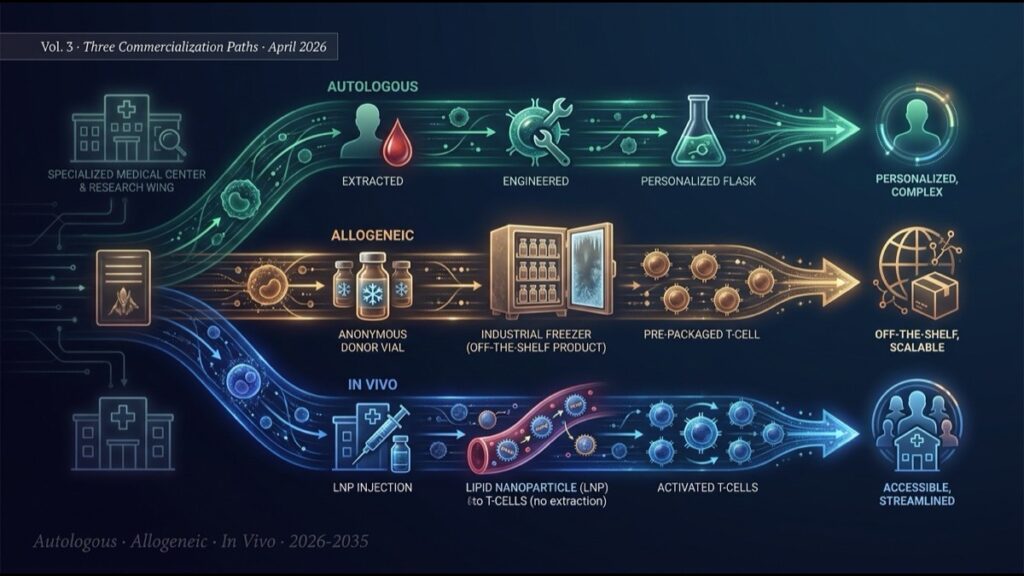
Where Is CAR-T Heading? 3 Commercialization Paths (Autologous/Allogeneic/In Vivo) and the Next-Decade Optimal Mix | Vol.3 (Final)
Structural comparison of CAR-T's three commercialization paths (autologous, allogeneic, in vivo) across 7 axes. Market projection: $16.5B in 2030, $35B in 2035, with in vivo's late-decade growth. Final volume. -
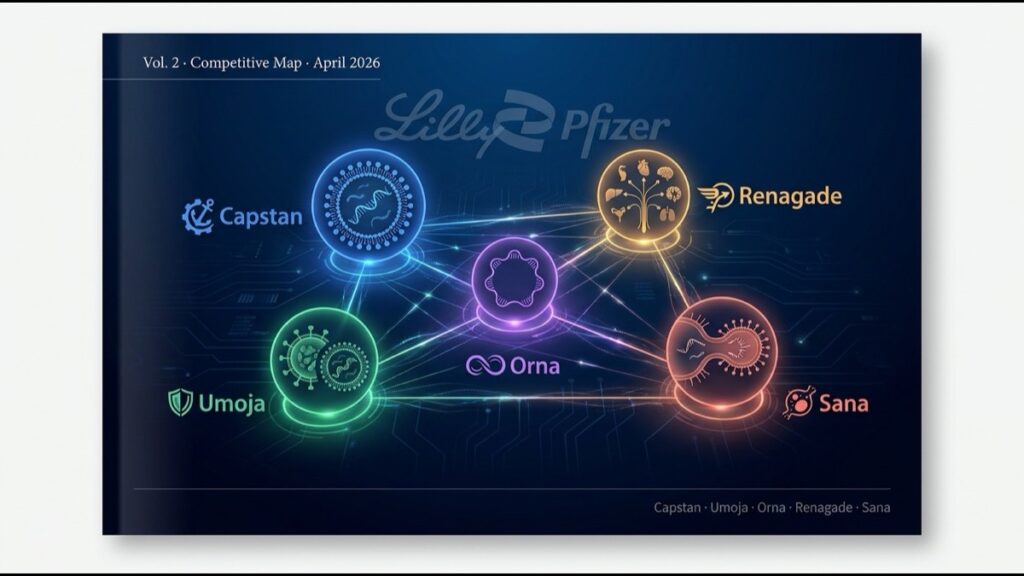
How Is In Vivo CAR-T’s Competitive Structure Shifting? AbbVie-Capstan, Lilly-(Orna+Kelonia), and the 3 Independents Mapping the Two-Camp Era | Vol.2
Comparing 5 in vivo CAR-T companies (Capstan, Umoja, Orna, Renagade, Sana) on technology platform (LNP-mRNA, LV, circular RNA, multi-organ LNP), indication focus (autoimmune vs cancer), strategic partners (Pfizer, Lilly, Merck). Vol. 2. -
Where Is In Vivo CAR-T Heading? How Lilly’s Two-Step (Orna + Kelonia) Redefines Gene Therapy’s Core | In Vivo CAR-T Revolution Vol.1
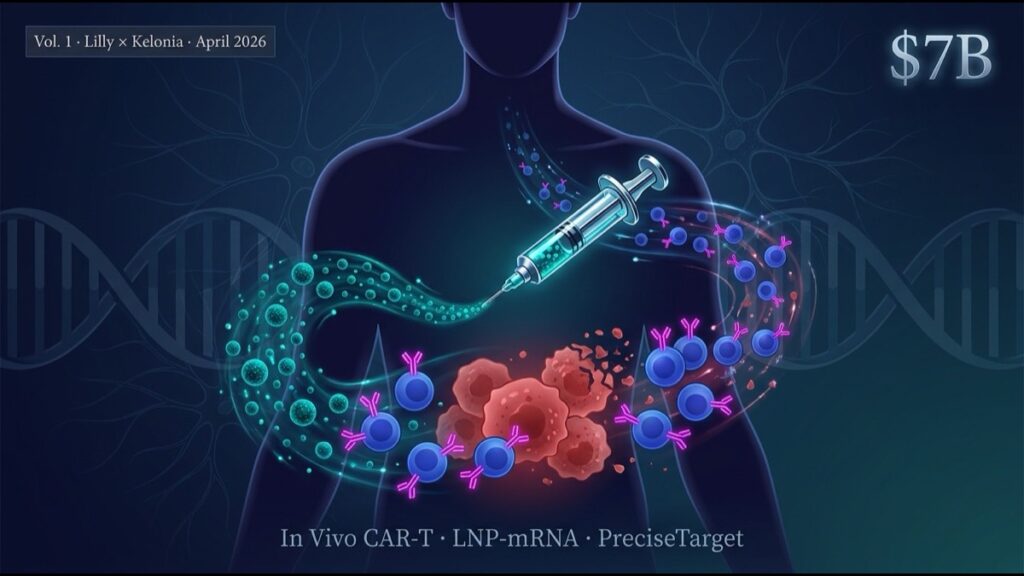
April 21, 2026 Eli Lilly to acquire Kelonia Therapeutics for up to $7B—the largest in vivo CAR-T M&A signaling pharma majors' serious entry. Kelonia's PreciseTarget LNP delivers CAR mRNA to T cells in vivo, softening ex vivo CAR-T's three walls (manufacturing time, cost, toxicity) simultaneously. Vol. 1. -
What the Epigenetic Memory of Colitis Reveals: AP-1 Imprints Persisting 100+ Days That Drive Cancer | Cancer Origin Vol.3 (Final)
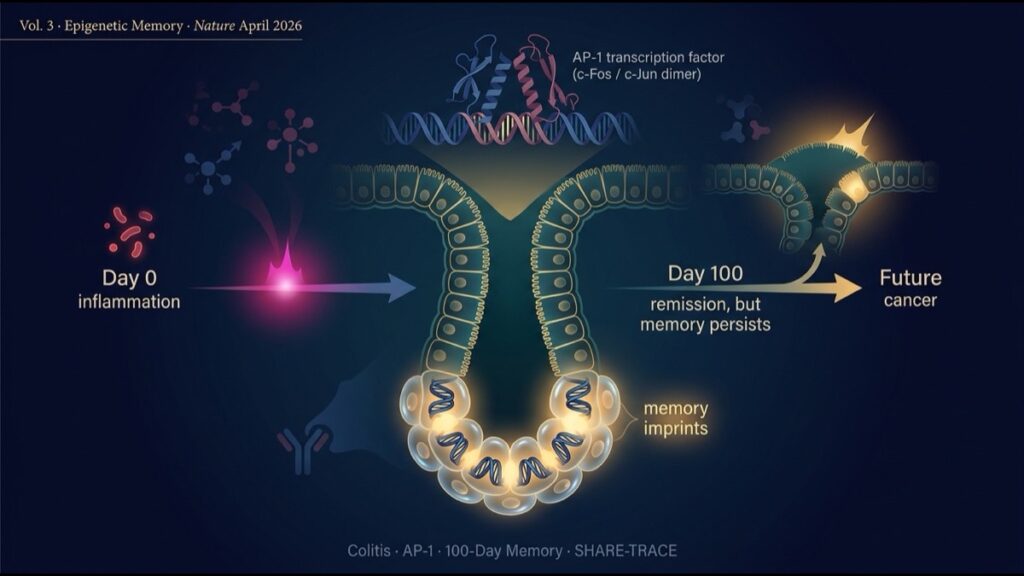
Nagaraja et al. Nature 2026/4/16: chronic colitis leaves AP-1-dependent epigenetic memory in colonic stem cell chromatin that persists for 100+ days. SHARE-TRACE proves clonal inheritance through stem cell divisions. Memory + APC mutation cooperatively accelerates tumor formation; AP-1 inhibition eliminates acceleration. New IBD-cancer prevention paradigm. Final volume. -
What Cerebellar Organoids Reveal About Medulloblastoma’s Origin: 3 Axes Toward Precision Medicine | Cancer Origin Vol.2
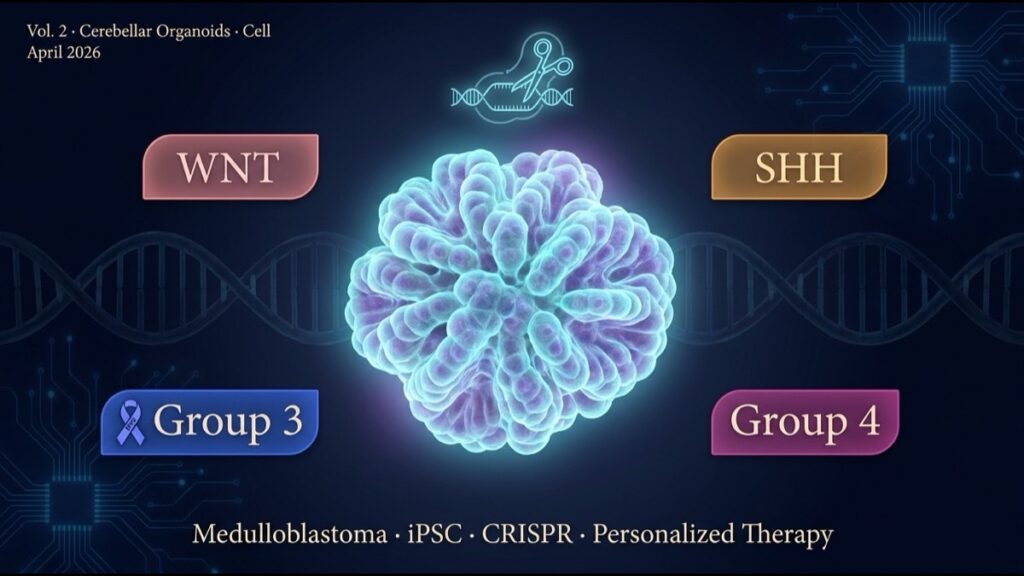
Cell April 2026 paper used human iPSC-derived cerebellar organoids + CRISPR to reproduce all four medulloblastoma subtypes (WNT, SHH, Group 3, Group 4) in real time. Cell of origin for each subtype directly confirmed. Vismodegib and BET inhibitor responses validated in subtype-specific manner. Personalized-therapy organoid proof of concept. Vol. 2. -
The Window Where Cancer Is Born — Progenitor Niche and the Benign-to-Malignant Transition | Frontiers of Cancer Origin Research, Vol. 1
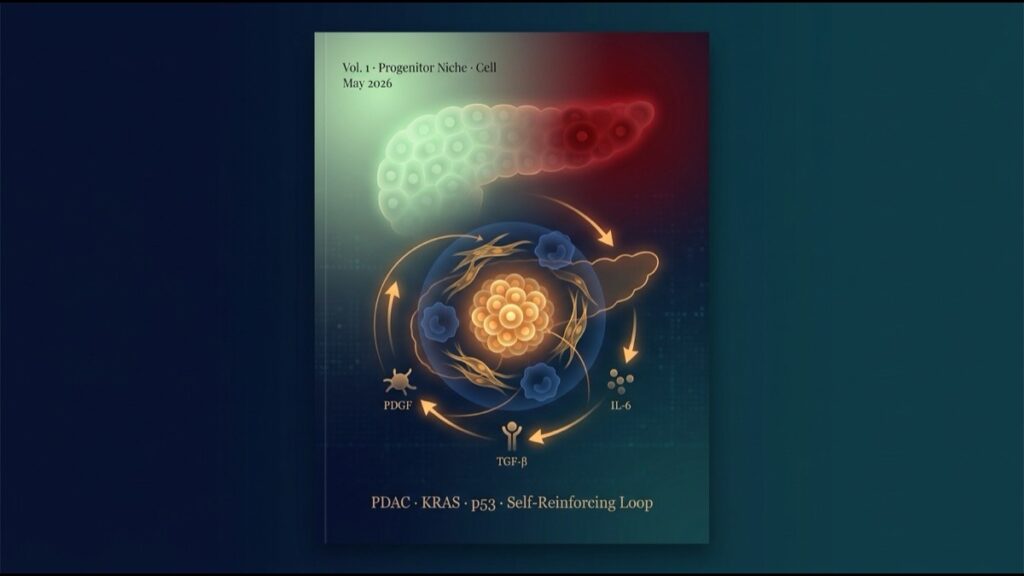
Reyes et al. Cell May 2026: PDAC's benign-to-malignant transition happens in a rare progenitor-like cell population that assembles a self-reinforcing niche. Tumor-driving and tumor-suppressing programs (p53, CDKN2A, SMAD4) co-activate in these cells. KRAS inhibition or p53 activation collapses the niche and delays malignancy. Vol. 1.