

Science News– category –
-

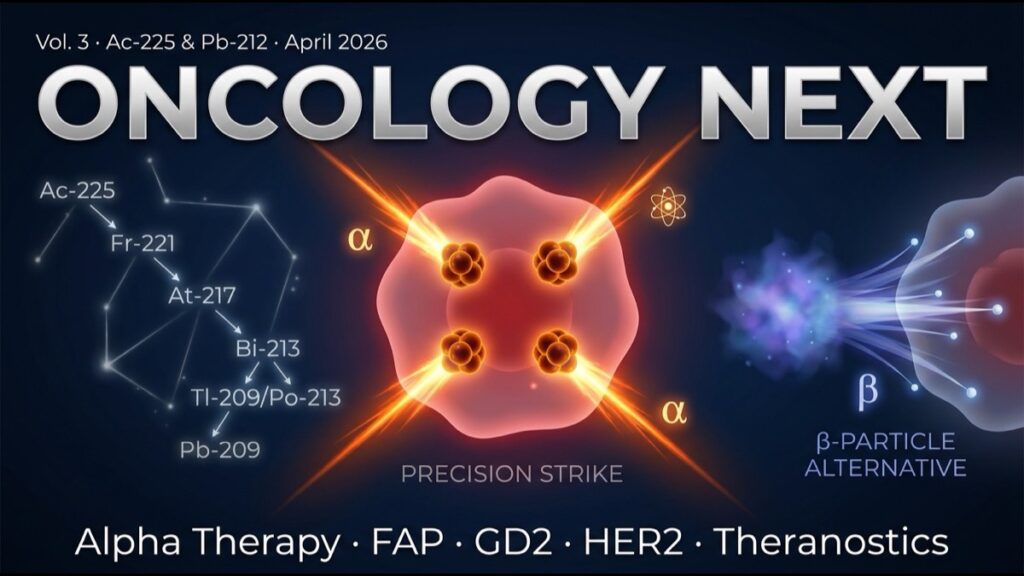
Where Will Nuclear Medicine Be in the Next Decade? Ac-225, Pb-212, and the Next-Generation RI Pipeline Map | Vol.3 (Final)
Nuclear medicine next decade: shift from β (177Lu) to α (225Ac, 212Pb). α has 100× cytotoxicity, short range protects normal tissue. Pipelines: 225Ac-PSMA, 225Ac-FAP, 225Ac-DOTATATE (RYZ101), 212Pb-DOTAMTATE. New targets (FAP, GD2, HER2, αvβ6). Manufacturing wall (Oak Ridge, Karlsruhe, PSI, JAEA). Final volume. -
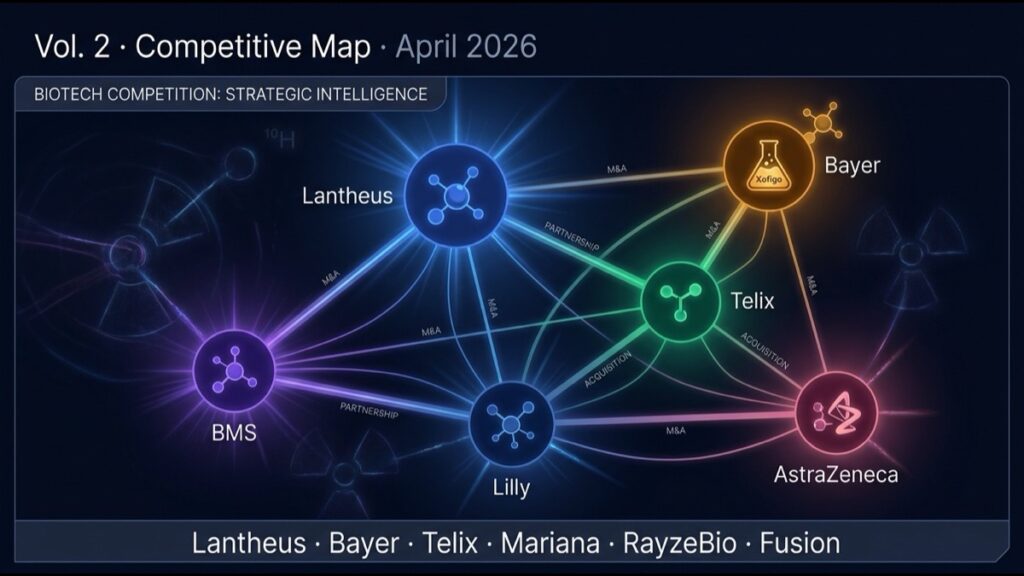
Mapping Nuclear Medicine Competitors: Lantheus, Bayer, Telix and the 3 Turning Points Ahead | Vol.2
Comparison of nuclear medicine competitors (Lantheus, Bayer, Telix, Lilly × Mariana, BMS × RayzeBio, AZ × Fusion) across 5 axes: diagnostic vs treatment, target molecules, isotopes, manufacturing infrastructure, partnerships. Emerging specialists (Aktis, Convergent, Perspective, Curasight, Clarity) and industry reshuffling scenarios. Vol. 2. -
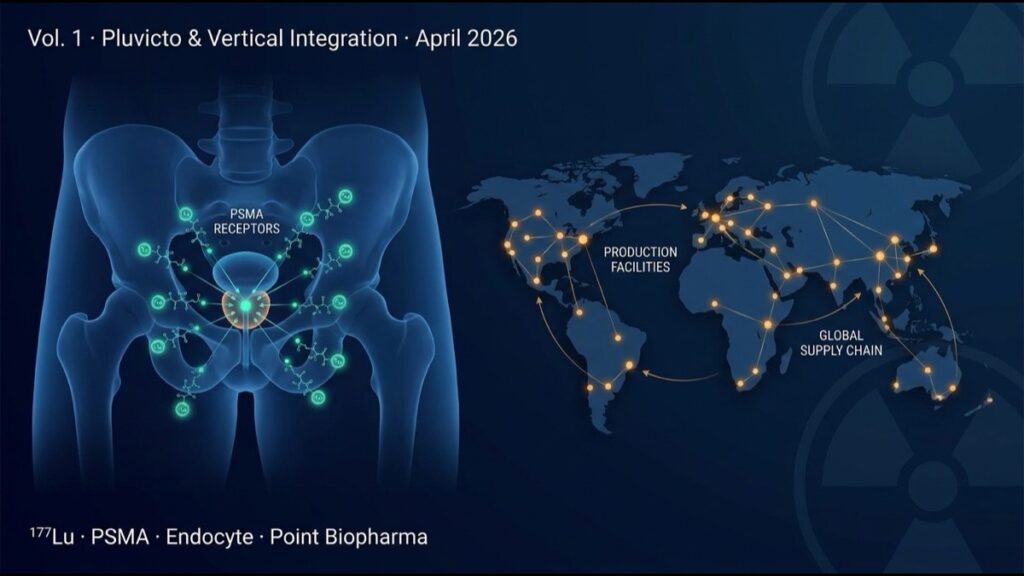
Where Is Nuclear Medicine Heading? Pluvicto’s Success and the Vertical Integration Imperative | Nuclear Medicine Vol.1
Novartis Pluvicto (mCRPC, $1B+ annual revenue) and Lutathera (NET) clinical and commercial success moved nuclear medicine from niche to mainstream. Short isotope half-life and specialized facility requirements make Vertical Integration (production-synthesis-distribution-delivery chain) decisive competitive advantage. Endocyte acquisition $2.1B, Point Biopharma $1.4B, 14-site global manufacturing network. Vol. 1. -
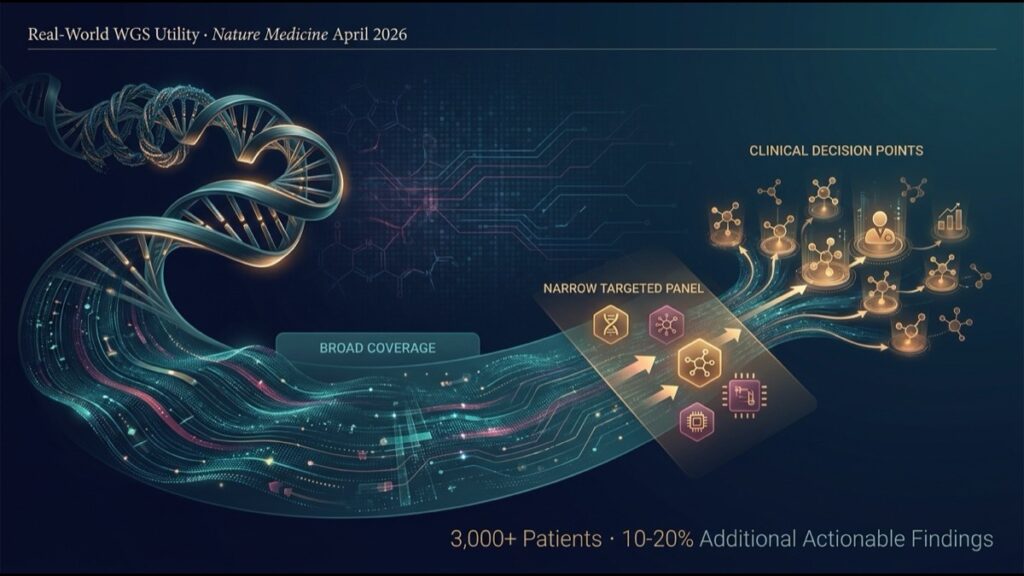
Does Whole-Genome Sequencing Truly Help in Solid-Tumor Clinical Care? — Real-World Clinical Utility Validation | Nature Medicine April 2026
The April 2026 issue of Nature Medicine published a landmark paper validating the real-world clinical utility of tumor whole-genome sequencing (WGS) in solid cancers. WGS identifies additional actionable findings in 10-20% of patients beyond standard panels — driving treatment changes, response, and survival. "WGS for the right patient, not every patient" — a tiered model is the realistic answer. -
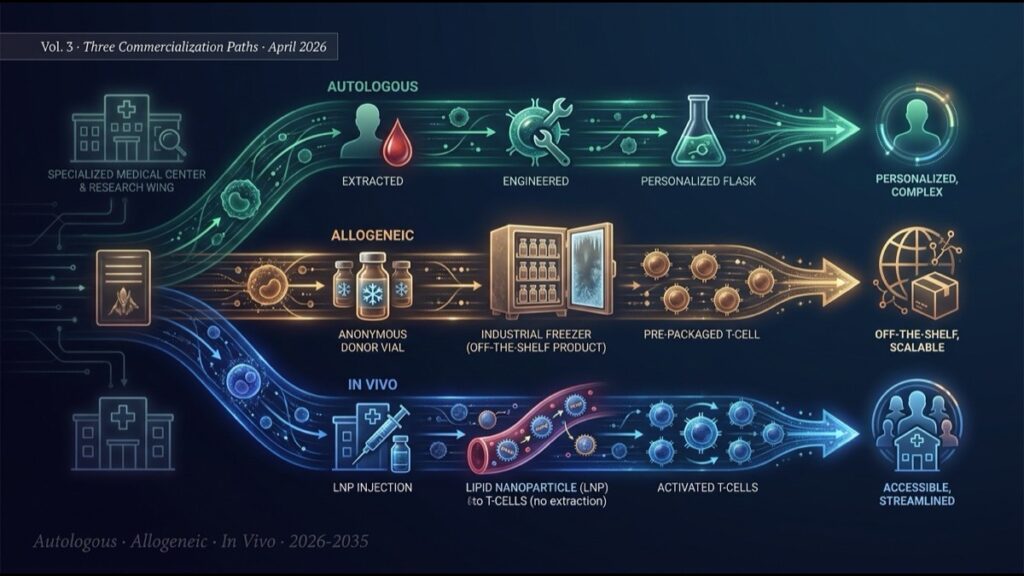
Where Is CAR-T Heading? 3 Commercialization Paths (Autologous/Allogeneic/In Vivo) and the Next-Decade Optimal Mix | Vol.3 (Final)
Structural comparison of CAR-T's three commercialization paths (autologous, allogeneic, in vivo) across 7 axes. Market projection: $16.5B in 2030, $35B in 2035, with in vivo's late-decade growth. Final volume. -
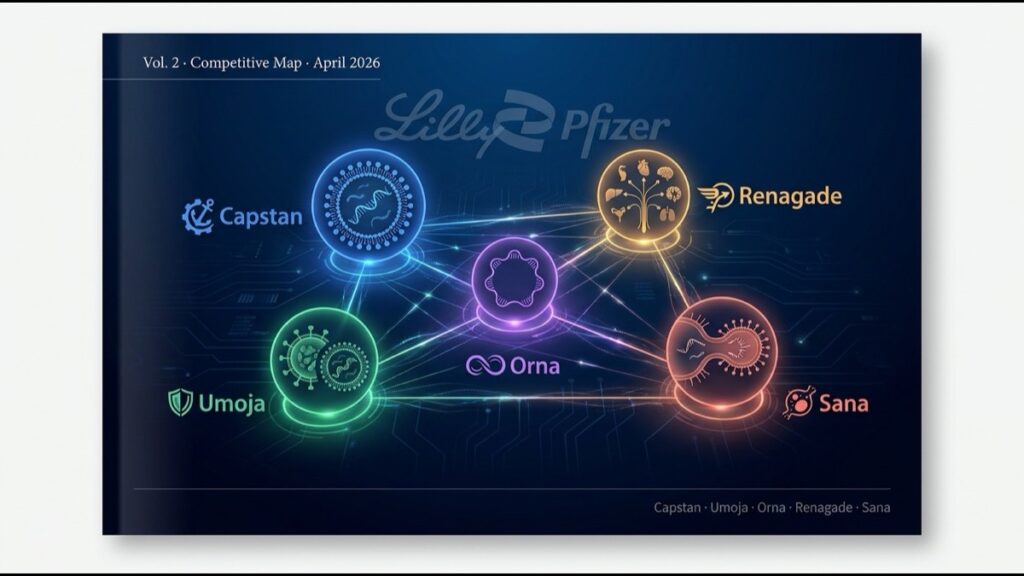
How Is In Vivo CAR-T’s Competitive Structure Shifting? AbbVie-Capstan, Lilly-(Orna+Kelonia), and the 3 Independents Mapping the Two-Camp Era | Vol.2
Comparing 5 in vivo CAR-T companies (Capstan, Umoja, Orna, Renagade, Sana) on technology platform (LNP-mRNA, LV, circular RNA, multi-organ LNP), indication focus (autoimmune vs cancer), strategic partners (Pfizer, Lilly, Merck). Vol. 2. -
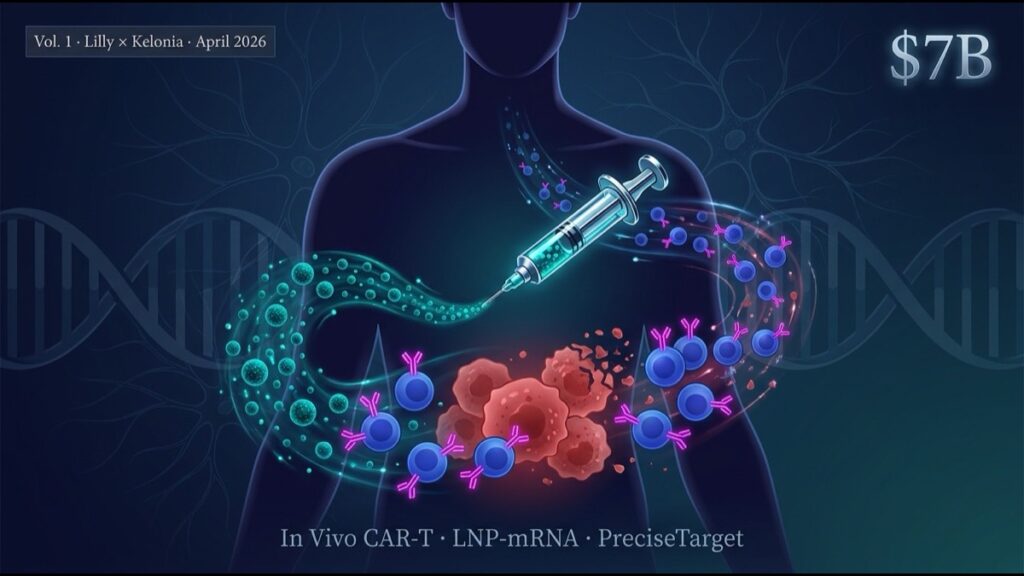
Where Is In Vivo CAR-T Heading? How Lilly’s Two-Step (Orna + Kelonia) Redefines Gene Therapy’s Core | In Vivo CAR-T Revolution Vol.1
April 21, 2026 Eli Lilly to acquire Kelonia Therapeutics for up to $7B—the largest in vivo CAR-T M&A signaling pharma majors' serious entry. Kelonia's PreciseTarget LNP delivers CAR mRNA to T cells in vivo, softening ex vivo CAR-T's three walls (manufacturing time, cost, toxicity) simultaneously. Vol. 1. -
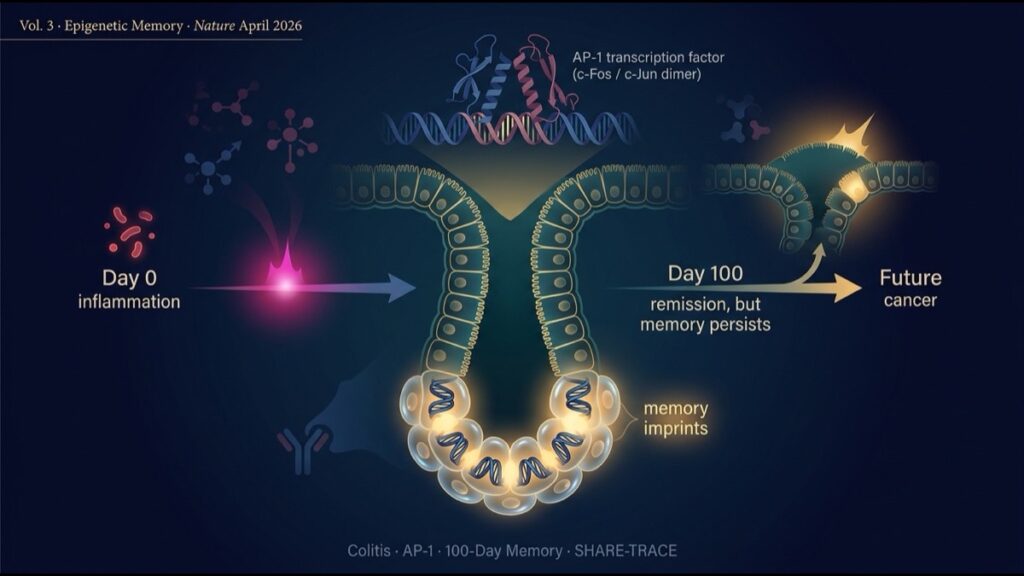
What the Epigenetic Memory of Colitis Reveals: AP-1 Imprints Persisting 100+ Days That Drive Cancer | Cancer Origin Vol.3 (Final)
Nagaraja et al. Nature 2026/4/16: chronic colitis leaves AP-1-dependent epigenetic memory in colonic stem cell chromatin that persists for 100+ days. SHARE-TRACE proves clonal inheritance through stem cell divisions. Memory + APC mutation cooperatively accelerates tumor formation; AP-1 inhibition eliminates acceleration. New IBD-cancer prevention paradigm. Final volume. -
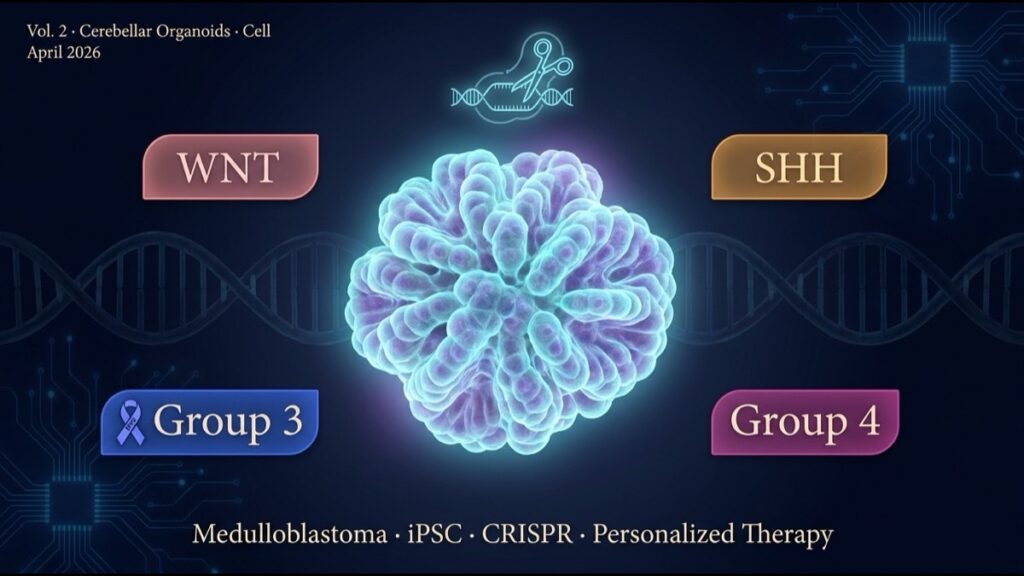
What Cerebellar Organoids Reveal About Medulloblastoma’s Origin: 3 Axes Toward Precision Medicine | Cancer Origin Vol.2
Cell April 2026 paper used human iPSC-derived cerebellar organoids + CRISPR to reproduce all four medulloblastoma subtypes (WNT, SHH, Group 3, Group 4) in real time. Cell of origin for each subtype directly confirmed. Vismodegib and BET inhibitor responses validated in subtype-specific manner. Personalized-therapy organoid proof of concept. Vol. 2. -
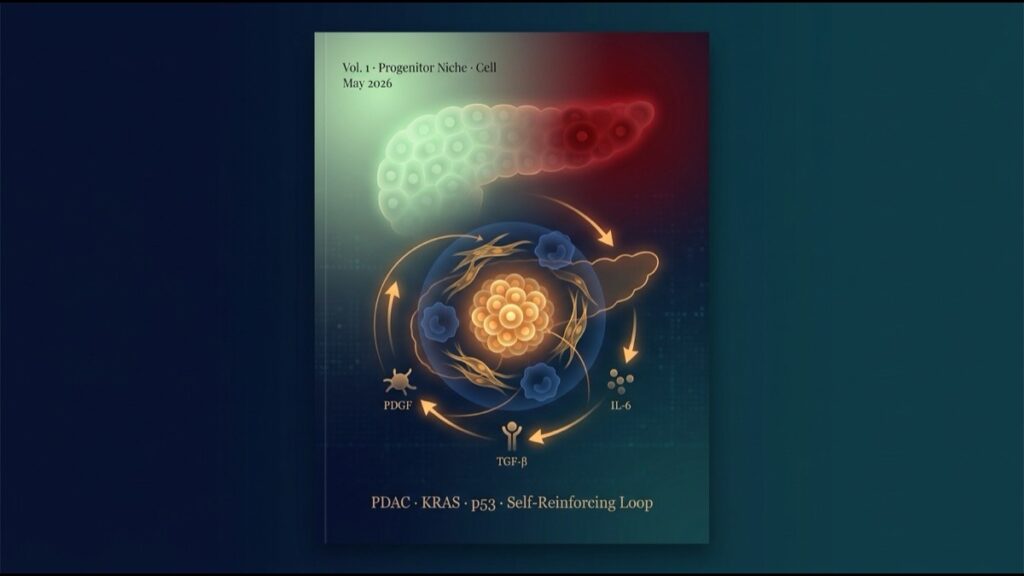
The Window Where Cancer Is Born — Progenitor Niche and the Benign-to-Malignant Transition | Frontiers of Cancer Origin Research, Vol. 1
Reyes et al. Cell May 2026: PDAC's benign-to-malignant transition happens in a rare progenitor-like cell population that assembles a self-reinforcing niche. Tumor-driving and tumor-suppressing programs (p53, CDKN2A, SMAD4) co-activate in these cells. KRAS inhibition or p53 activation collapses the niche and delays malignancy. Vol. 1. -
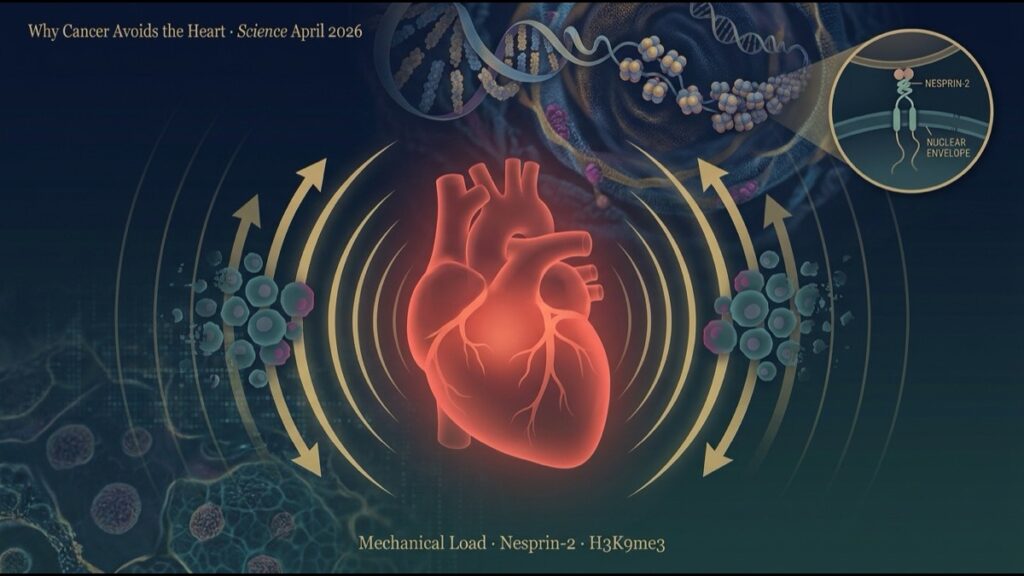
Why Does the Heart Rarely Get Cancer? — Mechanical Load Suppresses Tumour Growth via Nesprin-2 | Science April 2026
Science April 23, 2026 (Ciucci et al.) finally answered why the heart almost never develops cancer. Three experimental systems — genetic mouse model + heterotopic heart transplantation unloading + engineered heart tissues — established that mechanical load directly suppresses cancer cell proliferation. Mechanism: Nesprin-2 → histone methylation (H3K9me3) → chromatin compaction → reduced proliferation. Opens a new therapeutic axis: mechanical-stimulation therapy. -
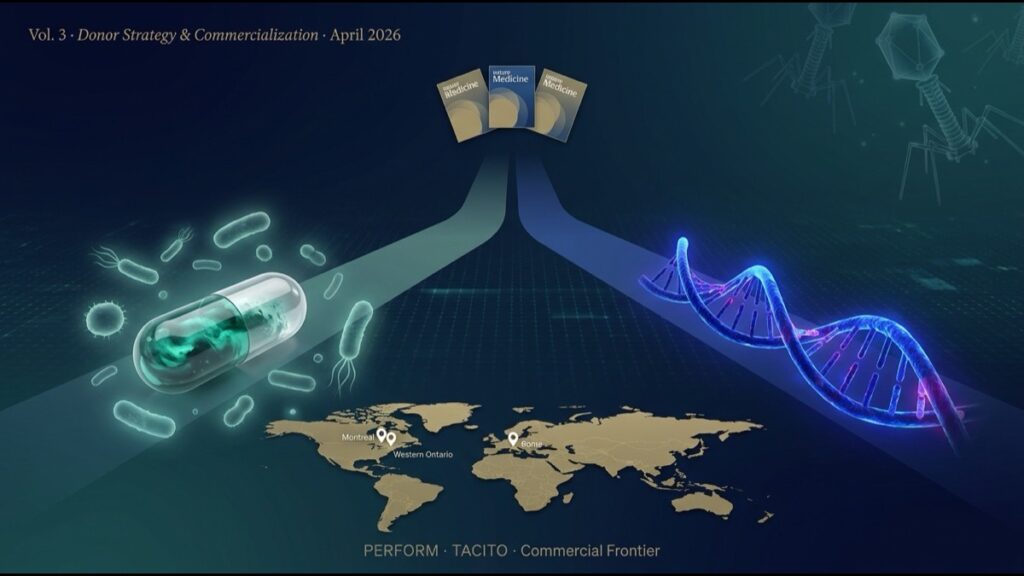
PERFORM vs TACITO, the Segatella copri Problem, and the Commercial Frontier — Three Crossroads Facing FMT’s Clinical Translation | Making Cancer Immunotherapy Work with FMT, Vol. 3 (Final)
Series finale. Same metastatic RCC, contrasting designs: PERFORM (healthy donor, ipi/nivo) vs TACITO (ICI complete-responder donor, pembro+axitinib). The cross-trial Segatella copri context-dependent toxicity discovery (drives toxicity ONLY under dual ICI), the three-layer commercial map (Seres/Vedanta/Exeliom; Locus/Eligo; rational consortia), and structural implications for the global ecosystem. The clinical-translation year of FMT/LBP, synthesized. -
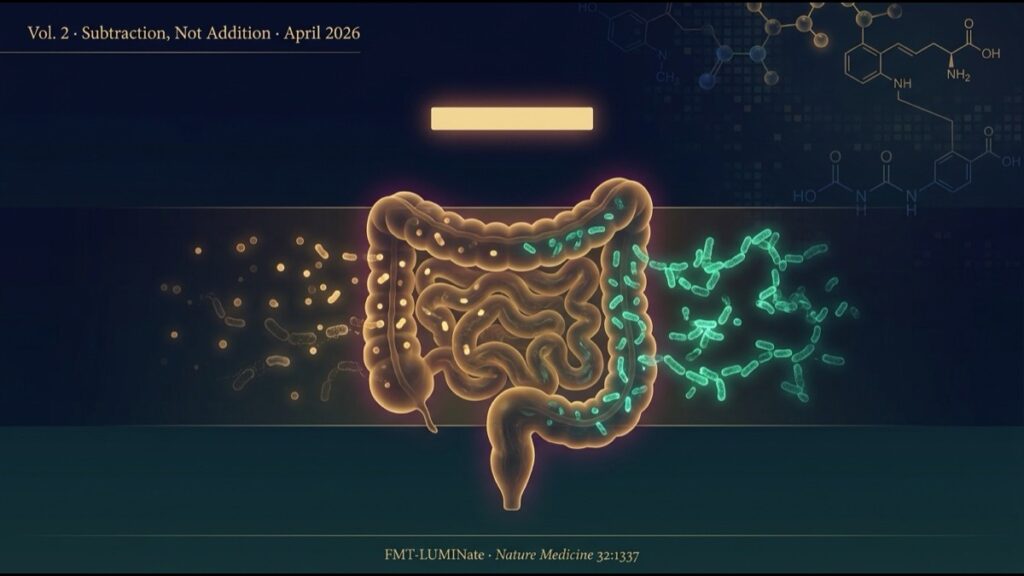
FMT Is Subtraction, Not Addition — How FMT-LUMINate Dissected the Real Mechanism Behind Microbiome-Empowered Cancer Immunotherapy | Making Cancer Immunotherapy Work with FMT, Vol. 2
Building on Volume 1, we dissect the convergent finding across the three April 2026 Nature Medicine trials: FMT works because patients lose their own deleterious bacteria, not because they acquire donor bacteria. FMT-LUMINate's mouse reverse-experiment proved causality. Mechanism: tryptophan/kynurenine pathway disturbance, IDO/AhR axis, regulatory T-cell expansion. Vol. 2 of the series. -
The Day Three Major FMT × Immunotherapy Trials Landed Together in Nature Medicine — Reshaping Cancer Immunotherapy with the Gut Microbiome | Making Cancer Immunotherapy Work with FMT, Vol. 1
In April 2026, Nature Medicine Vol. 32 No. 4 published three FMT-plus-immunotherapy trials in a single issue: 80% ORR in NSCLC, and a doubling of progression-free survival in metastatic RCC (24.0 vs 9.0 months, HR 0.50). But the deeper significance lies not in the numbers — it is the shared mechanistic finding that responders selectively lost their own deleterious bacteria, rather than acquiring beneficial bacteria from the donor. Volume 1 of our series surveys all three trials and what their simultaneous publication means. -
What Multimodal AI Beating Oncotype DX Reveals: 3 Structural Shifts in HR+/HER2- Recurrence Decisions (C-index 0.733 vs 0.631) | Reading Breast Cancer Diagnosis with AI, Vol.3
At SABCS 2025, multimodal AI (ICM+ model) outperforms Oncotype DX for 15-year recurrence prediction (C-index 0.733 vs 0.631). Final volume of our series. -
Reading the AITIC Trial: Where Partially Autonomous AI Triage Heads After a 63% Workload Cut and 14.8% Recall Rise | Reading Breast Cancer Diagnosis with AI, Vol.2
Spain's AITIC trial (Nature Medicine 2026, n=31,301): partially autonomous AI workflow cuts radiologist workload 63.6%, lifts detection 15.2%. Vol. 2. -
What MASAI Reveals: 12% Fewer Interval Cancers and 4 Tensions Reshaping AI Mammography | Reading Breast Cancer Diagnosis with AI, Vol.1
Sweden's MASAI trial (Lancet 2026, n>105,000) shows AI mammography cuts interval cancers by 12% and lifts sensitivity to 80.5%. Vol. 1 of our series. -
The more important question than “present or absent”: how microbial elements may tune immunity in brain tumors
Brain tumors sit at the crossroads of immunology and microbiology, but they are also a uniquely challenging environment to study. Brain tumors sit at the crossroads of immunology and microbiology, but they are also a uniquely challenging... -
Rethinking Cancer Atlases and “Microbial Signatures”: History, Importance, and the Latest Update (Part 1 | Intro for Beginners)
This post explains, in plain language, why pan-cancer (comprehensive) analyses and atlas databases matter in oncology, and how the concept of microbial signatures fits into that bigger picture. As a short preface to the series, we also t... -
How Respiratory Viral Infections May Alter Metastatic Risk in Breast Cancer: Latest Evidence and Practical Guidance
Respiratory viral infections may silently reshape metastatic risk in breast cancer survivors. Recent epidemiology and mechanistic studies converge on a practical question: what should clinicians change tomorrow morning? Here is the evide...




12